
World Cup
Spain’s opening match in Group H at the FIFA World Cup against Cape Verde Islands delivered a surprise—not

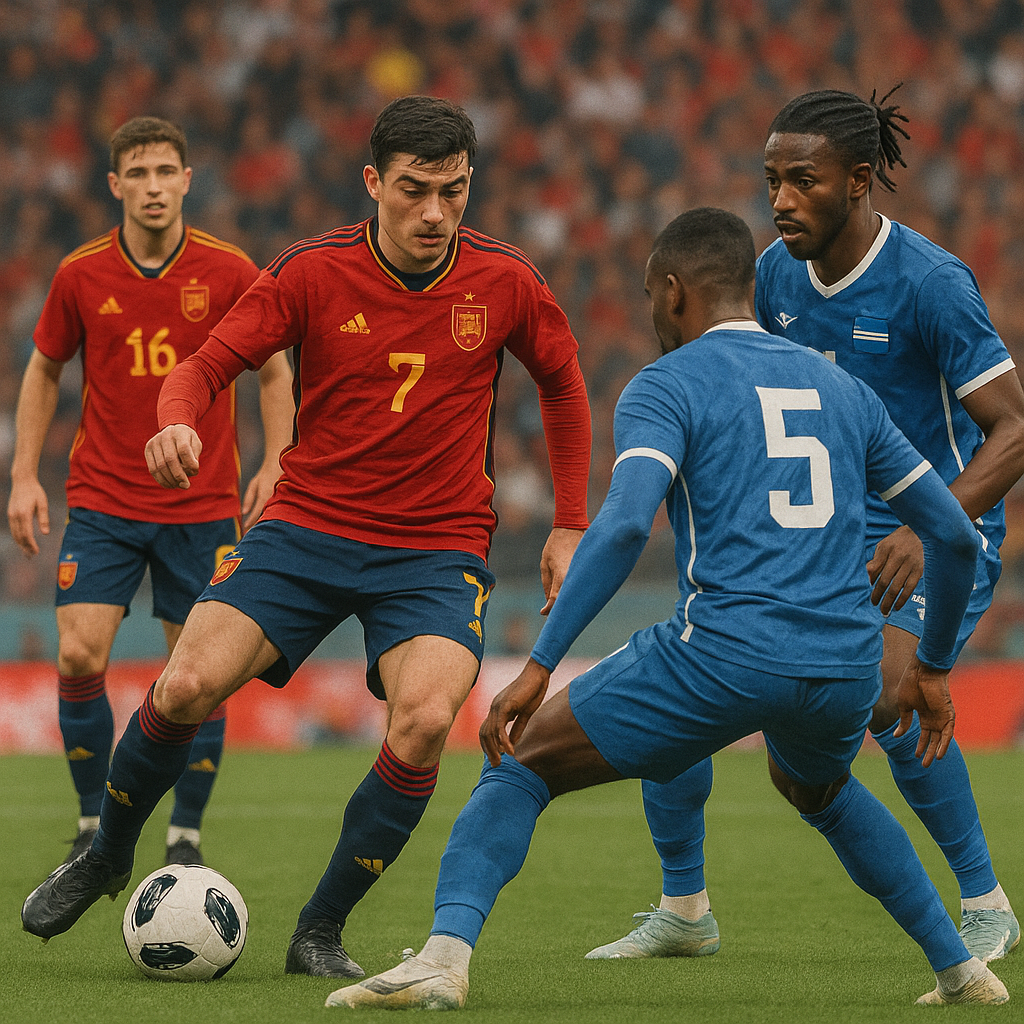
Spain’s opening match in Group H at the FIFA World Cup against Cape Verde Islands delivered a surprise—not through an abundance of goals but a frustrating stalemate. The 0-0 deadlock punctuated a game where Spain’s tactical structure was evident, yet limitations in execution and adaptation became painfully clear.
From the outset, Spain sought to impose its trademark possession dominance, deploying a common 4-3-3 formation emphasizing control in midfield and progressive ball circulation. The team’s build-up play was methodical; short, incisive passes aimed at dismantling Cape Verde’s compact defensive block. Yet, the visitors’ defensive discipline nullified many of Spain’s usual transitional triggers. Cape Verde’s low block forced Spain into peripheral play, effectively limiting vertical progression and exposing cracks in Spain’s creativity when faced with intense traffic in final thirds.
Spain’s full-backs, typically sources of width and overloads, found themselves heavily monitored. This constrained one of Spain’s typical avenues to penetrate—wide overloads and quick overlapping runs. Consequently, Spain’s attack was often reduced to hesitant attempts at central combinations, which lacked the necessary edge or unpredictability.
Defensively, Spain remained robust and well-organized. The team’s patience in maintaining shape and patience during counterattacks was commendable, resulting in an absence of clear scoring chances for Cape Verde. However, the lack of offensive potency overshadowed defensive solidity. Despite overwhelming possession statistics, Spain failed to convert this into meaningful opportunities or shots on target sufficient to test the opposition goalkeeper consistently.
In terms of group dynamics, this result is a double-edged sword. Spain remains in a position to qualify but cedes an early advantage to Saudi Arabia and Uruguay, who can capitalize on this stalemate by taking full points in their subsequent fixtures. The draw highlights the early tournament challenge: possession without penetration is insufficient against disciplined, pragmatic opponents.
The broader tactical takeaway for Spain is the urgent need to diversify attacking patterns and enhance duel-winning capabilities in the final third. The team’s structural base is intact, but against physically resolute, low-block defenses, creative fluency and sharper transitions will be prerequisites for progression.
Ultimately, Spain’s journey in Group H is far from derailed, yet the Cape Verde match is a stark reminder within this World Cup context: control of the ball must evolve into purposeful threat, or else the collective promise risks dissolving in tactical rigidity.