
World Cup
Switzerland’s 1-1 draw with Qatar in the opening Group B fixture of the FIFA World Cup embodies a game of

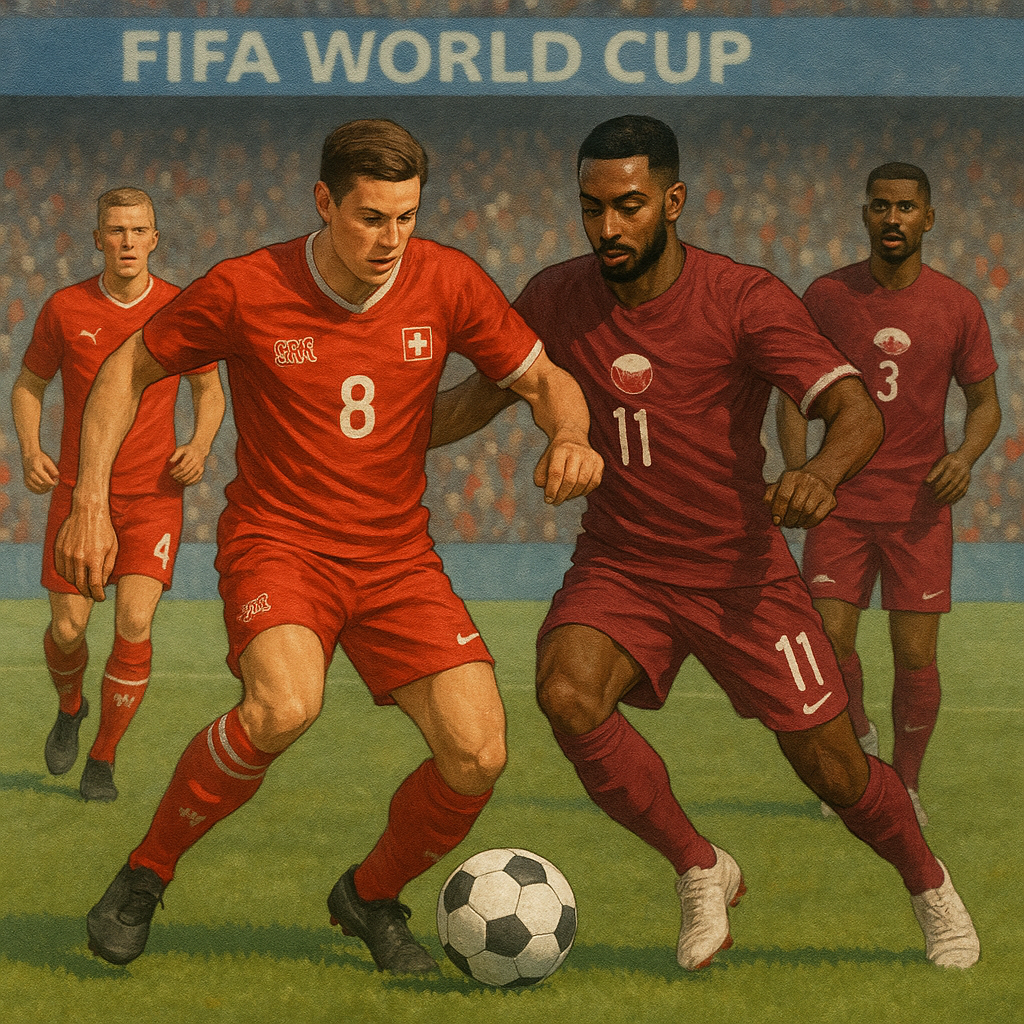
Switzerland’s 1-1 draw with Qatar in the opening Group B fixture of the FIFA World Cup embodies a game of tactical equilibrium rather than dominance. Hosted on June 13, 2026, this match offers fertile ground to dissect both teams' structural approaches, discipline on the pitch, and the nuanced implications for the group standings.
From the outset, Switzerland adhered to their hallmark structural discipline. Their 4-2-3-1 formation aimed to control midfield transitions, relying on compactness between the double pivot to shield the defensive line. However, Qatar’s organized pressing and rapid counter-attacks challenged this shape effectively, forcing Switzerland into an uncharacteristic volume of errors in build-up play. The Swiss backline struggled at times to manage space behind their wide midfielders, a vulnerability Qatar exploited to create their goal-scoring opportunity.
Qatar, the tournament hosts, displayed tactical maturity not typically expected at this level. Their compact shape in midfield and quick vertical transitions from defensive to offensive phases disrupted Switzerland’s rhythm. Qatar’s use of interior runners in the half-spaces unsettled the Swiss defensive alignment, which was perhaps caught off guard by the pace and timing of these movements. The disciplined execution from Qatar speaks to thorough preparation rather than reliance on home advantage.
Discipline on both sides was measured; neither team succumbed to reckless aggression. This cautious approach reflected the high stakes of an initial World Cup match, where securing a point can be as valuable as a win from a strategic perspective. There were no conspicuous disciplinary incidents altering the match dynamic, reinforcing a narrative focused on structural and tactical contest rather than emotional volatility.
For the group standings, the draw leaves Group B wide open. Switzerland, often expected to assert itself against less heralded opposition, will need to reassess their transitional fragility. Meanwhile, Qatar’s result boosts their confidence and validates their tactical planning, forcing other group contenders to adapt accordingly.
Ultimately, Switzerland’s performance, rooted in structural discipline but compromised by transition vulnerabilities, underscores a broader question: can their tactical rigidity accommodate responsiveness against increasingly dynamic opponents? This match suggests the answer remains uncertain as Group B unfolds.