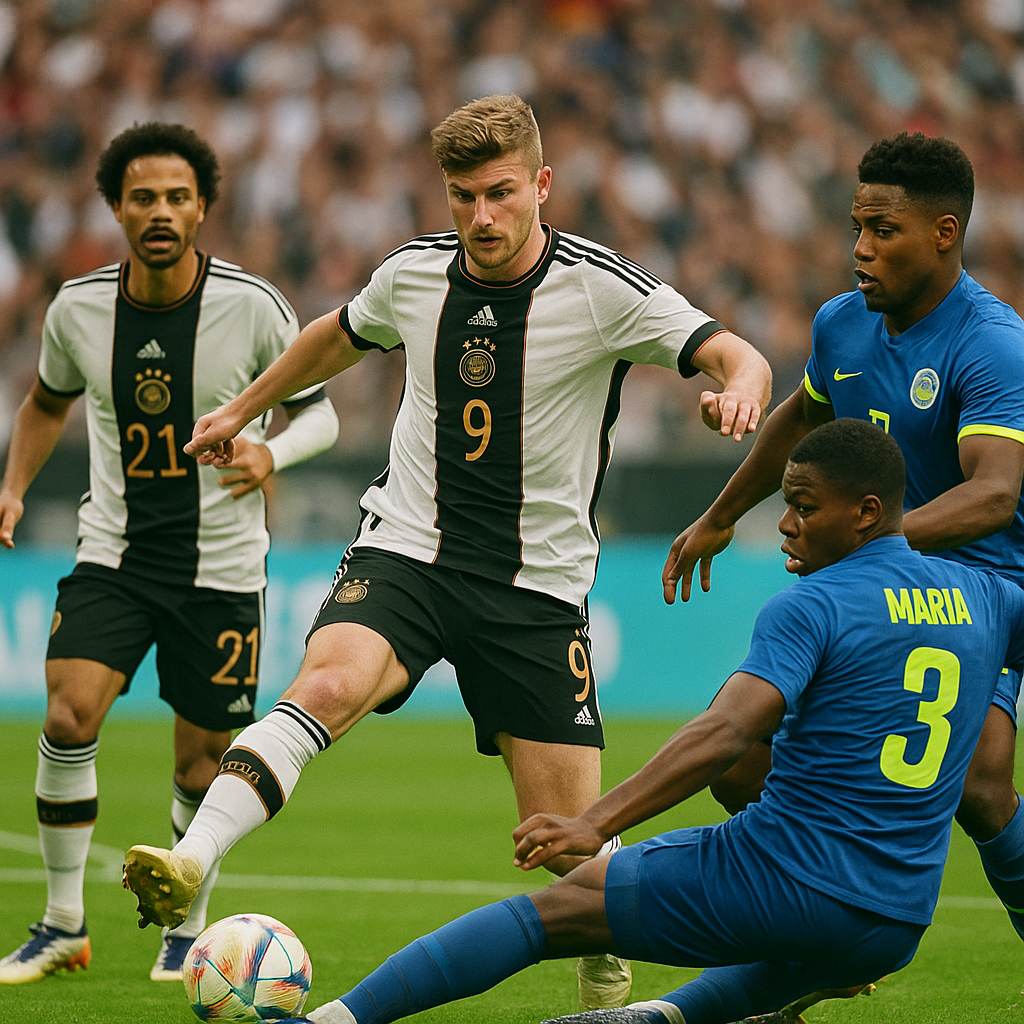
Seven goals conceded. One scored. Germany’s brutal orchestration in Group E wasn’t just a beating – it was a full symphony of domination, and Curaçao was stuck playing the wrong instrument. This wasn’t the kind of baptism to warm the heart; it was a cold shove into the deep end, at the World Cup’s very doorstep.
Curaçao came out chasing dreams, carrying the pride of every islander on their backs, but the German machine was relentless, precise, and unforgiving. The scoreboard didn’t lie, and the sting of 7-1 will linger long after the final whistle echoes in the stadium. But this isn’t a time to fold under pressure—it’s a moment to grind teeth and sharpen claws. The tournament’s just started, and the group still has Ecuador and Ivory Coast snarling in the mix.
The damage to Curaçao’s hope meter is real, but so is the fire. This defeat is brutal, yes, but it’s also a wake-up call the team cannot afford to ignore. The journey to prove we belong at this level is just beginning.
The panel responds
Stefan Hartmann replies to Rafael Mendez
Seven goals conceded, one scored? This wasn’t just a beating; it was a masterclass in intimidation wrapped in clinical finishing. Curaçao didn’t just lose possession; they lost their dignity, forced into a humiliating rhythm they couldn’t escape. The German side isn’t just applying pressure—they’re rewriting the script of what dominance looks like on the world stage. If anyone doubted the sheer force behind this squad’s machinery, this match crushed that illusion. Every goal was a headline, every defensive lapse a minor disaster for Curaçao. It’s painful, yes—especially for the underdogs—but this is how football gods remind you who runs the show.
Paula Vallejo replies to Rafael Mendez
Conceding seven goals exposed fundamental problems in transitional phases—particularly the lag in resetting after losing possession and a midfield incapable of shielding the backline effectively. Germany’s tactical discipline allowed them to orchestrate pressure like a well-rehearsed symphony, exploiting those transitional vulnerabilities ruthlessly. This wasn’t just about individual errors but an inability to adapt the shape dynamically when drained by German pressing intensity.