
World Cup
Mexico’s narrow 1-0 victory over South Korea in this Group A clash at the 2026 World Cup is a classic case of

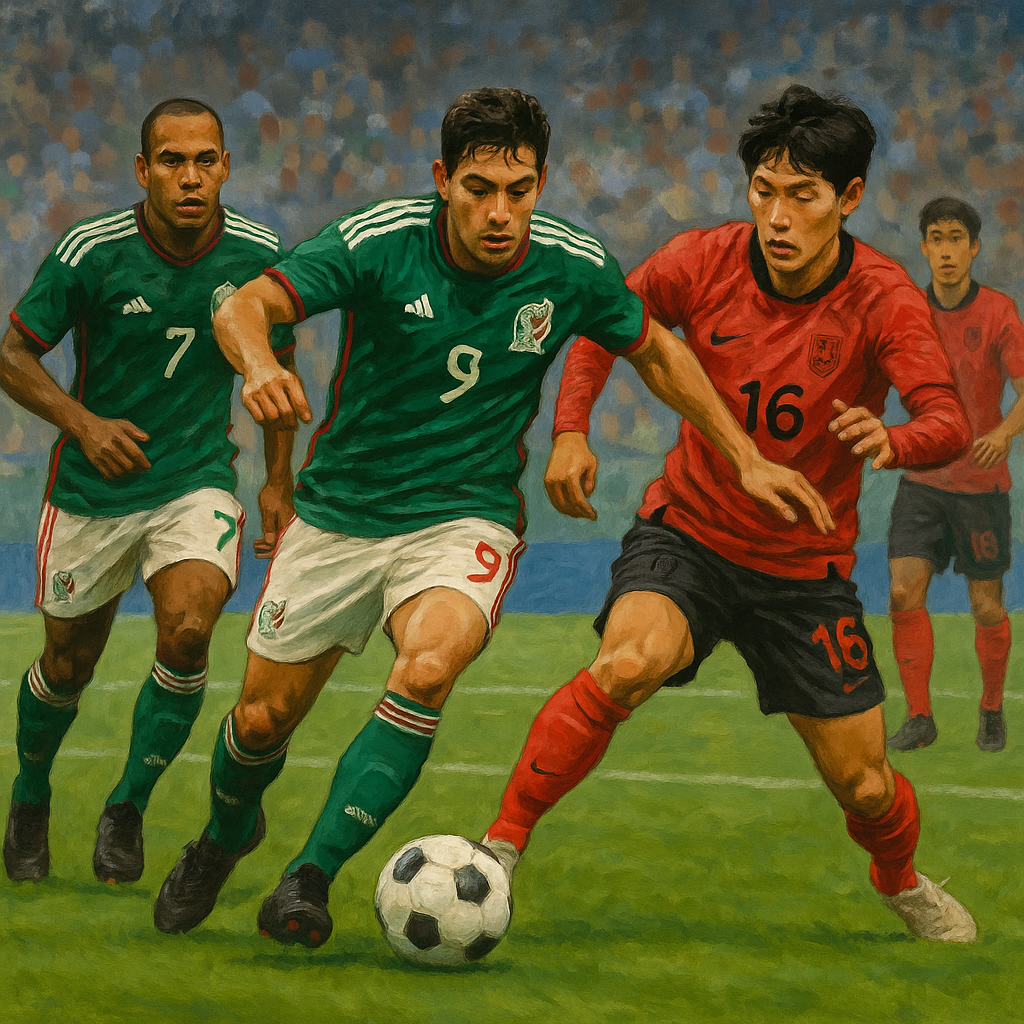
Mexico’s narrow 1-0 victory over South Korea in this Group A clash at the 2026 World Cup is a classic case of disciplined pragmatism outweighing flair. The result propels Mexico to the top of their group with three points and a +1 goal difference, putting immediate pressure on the other contenders while exposing the persistent limitations in offensive creativity that have shadowed the team for years.
From a structural standpoint, Mexico’s approach was defined by compactness and a keen control of transitional moments. The defensive block remained organized and disciplined, especially in denying South Korea’s attempts to exploit half-spaces through dynamic wing play. Mexico’s midfield, while not overwhelmingly dominant in possession, succeeded in disrupting South Korea’s rhythm and forced the Asian side into lower-percentage shots.
The solitary goal, decisive yet hardly flamboyant, underscores Mexico’s ongoing challenge: creating and converting clear-cut chances against well-drilled opposition. Tactical patience was evident; Mexico preferred slow, calculated buildups rather than rapid vertical breaks. This method sufficed against South Korea’s resilient, counter-focused setup but will demand more inventiveness as the group stage progresses.
Discipline surfaced as a tactical asset—the data may lack specifics on cards, but the clean, controlled aggression prevented unnecessary risks, vital in World Cup group scenarios where goal difference and points are finely balanced. Mexico’s defensive shape stayed coherent in transitions, limiting South Korea's fast breaks to moments of minimal risk.
In the context of the group, this result is a positive but not definitive statement. Mexico has affirmation that its foundational tactics—compact structure, cautious ball circulation, and disciplined transitions—can yield results at this level. Nevertheless, the absence of penetrating options in the final third remains a caveat that Mexico must address if progression beyond the last-16 stage is to be realistic.
Ultimately, this victory is not a tactical revolution but a confirmation that Mexico’s measured, process-driven game can survive. The challenge ahead lies in elevating that stability with sharper attacking tools to break more resolute defenses. For now, Mexico stands where it often does: solid, hard to beat, but still waiting to show the full range of its ambitions.