
World Cup
Czechia’s 1-1 draw with South Africa in this opening Group A encounter at the 2026 World Cup sets a measured

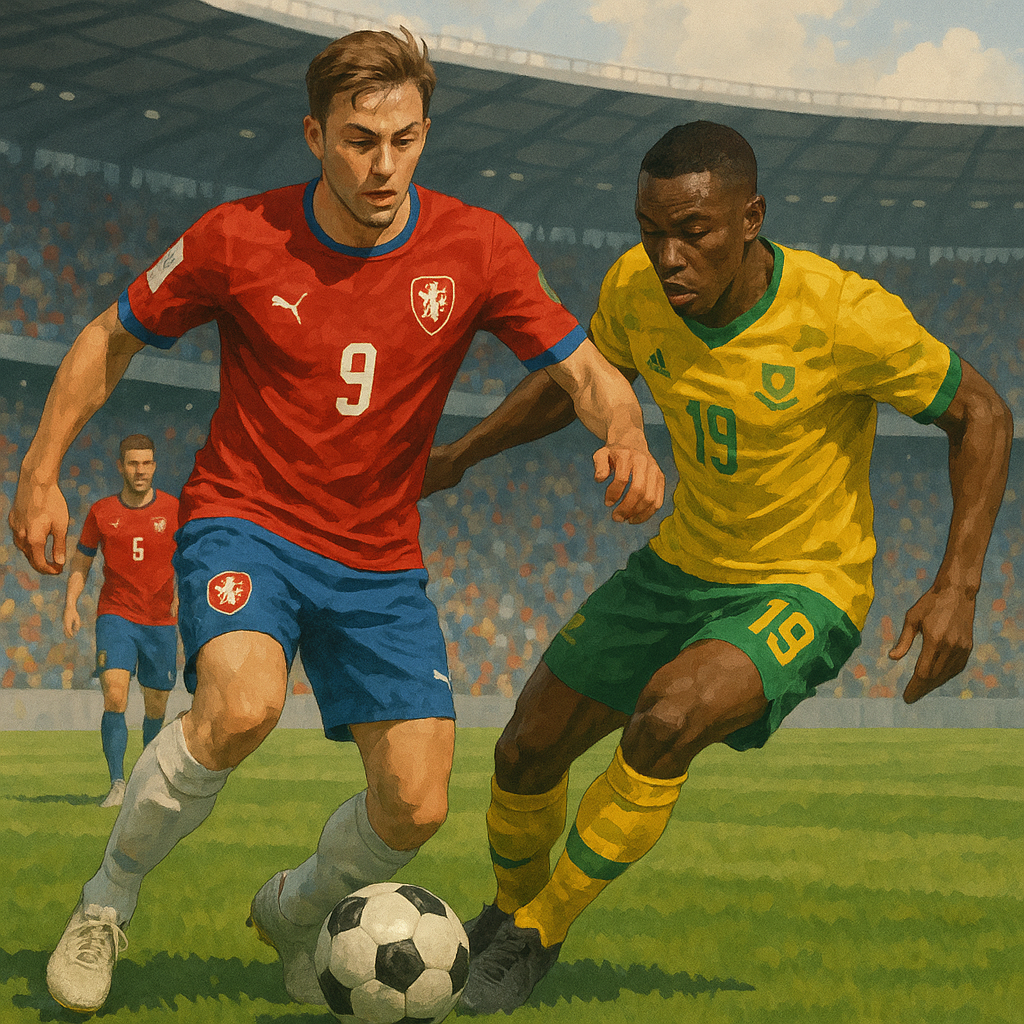
Czechia’s 1-1 draw with South Africa in this opening Group A encounter at the 2026 World Cup sets a measured tone, if not outright excitement. The result, while modest, reflects a match of carefully negotiated tactical balance rather than impulsive drama—a game where structure and resilience prevailed over flair and volatility.
From the outset, South Africa demonstrated their intention to remain compact and disciplined. They adopted a low block with a disciplined midfield shield, clearly designed to absorb Czech pressure and limit the space between lines. Czechia, for their part, executed methodical build-up play, seeking to exploit vertical channels and isolate South African wide defenders. Yet, the visitors’ collective organization blunted that approach effectively, forcing Czechia into less threatening wide incursions and rushed penetrating passes.
South Africa’s transitional phases, however, lacked the sharpness needed to convert their defensive stability into concrete attacking threats. While they managed some promising counter-movements, the final third execution was insufficiently incisive. Czechia’s opening goal suggested a momentary breakdown in South African shape, perhaps from misplaced positioning during a centralized Czech initiative, but the response was prompt and assured.
Czechia’s tendency to overcommit bodies forward at times left them vulnerable in transition, something South Africa exploited to engineer their equalizer. The second half saw the South African side adjust, gaining marginal control over midfield territory in phases but without pressing aggressively enough to seize control outright. The tactical equilibrium largely held, with set-piece battles and minor positional tweaks characterizing the latter stages.
Discipline remained intact on both sides; no significant disciplinary incidents or lapses disrupted the flow, allowing a clean tactical duel to unfold. The draw leaves Czechia and South Africa sharing Group A points, a cautious but respectable foundation from which both must evolve. For South Africa, the performance validates their defensive framework but underlines the need for greater decisiveness in transition and offensive cohesion.
As the group unfolds—with Mexico and South Korea to come—this result reframes expectations. Neither side can afford to rely solely on defensive structure; unlocking incremental offensive progress remains the key to overcoming marginal differences at this level. South Africa’s 1-1 hold in Prague is a clear illustration: tactical discipline creates opportunity, but ambition must seize it.