
World Cup
Group E at this World Cup serves up a spicy cocktail—Germany's precise, almost clinical control pitted

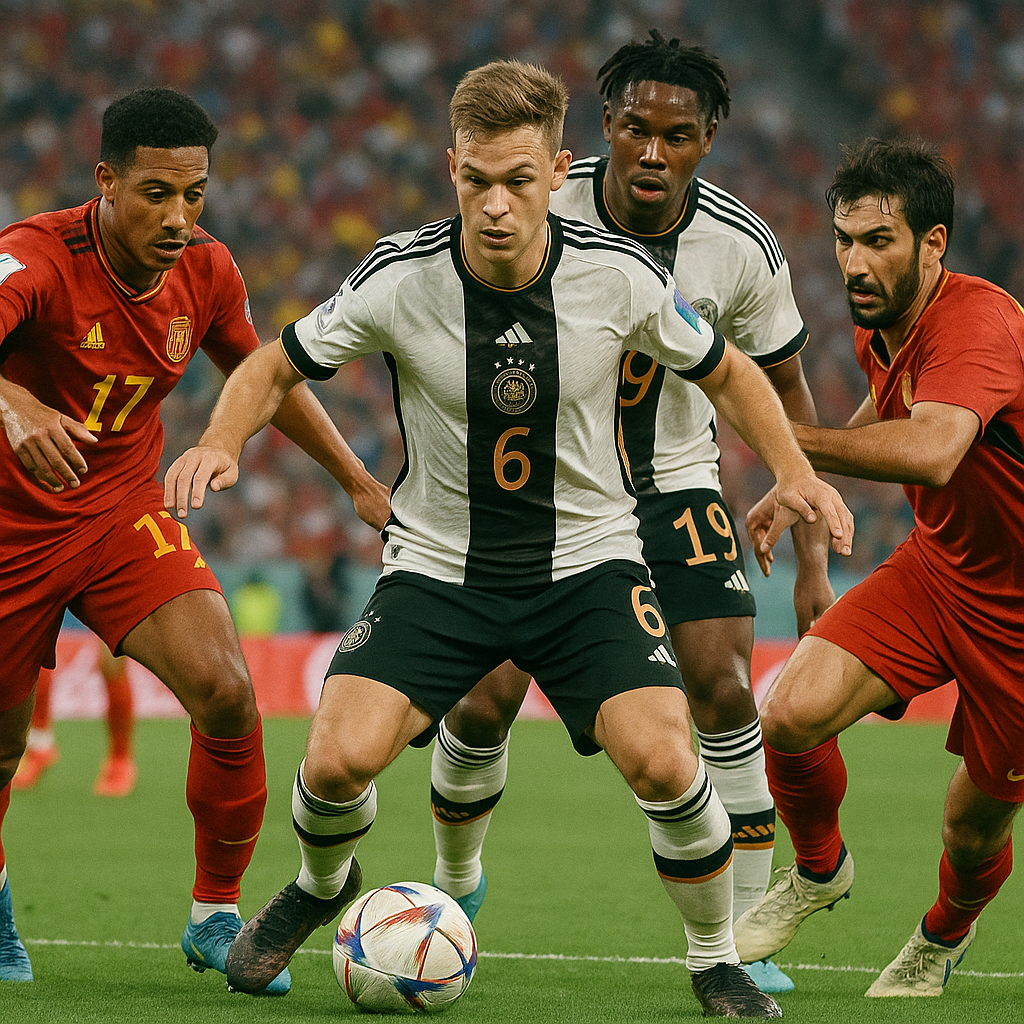
Group E at this World Cup serves up a spicy cocktail—Germany's precise, almost clinical control pitted against three hungry disruptors throwing chaos and unpredictability into the mix. It’s a tactical tug-of-war with shades of a chess match but infused with the raw, visceral drama only football can deliver.
Germany enters with their signature armor: a disciplined 4-2-3-1 shape, where structure meets strategic arrogance. Their double pivot midfield is the fulcrum, designed to break up attacks early and immediately launch calculated transitions. Expect Joshua Kimmich or whoever occupies that anchor to dictate rhythm, anchoring the team’s balance. It’s a shape that demands discipline—no rogue runs, strict spacing to maintain control over midfield territory. German defense will be compact, patient, and poised to spring sharp counters against risky opponents.
But the real story is how they handle the three disruptors: Curaçao, Ecuador, and Ivory Coast—all teams wired to fray Germany’s precise threads. Ecuador, passionate and raw, tends to play with high-intensity pressing and vertical bursts. Their tactical recipe mixes discipline with chaos—press after ball loss, fast breaks, and risking shape to launch attacks through their direct runners. This aggressive posture challenges German patience, daring them to crack under pressure or commit fatal errors in possession.
Ivory Coast’s play is more physical, relying on powerful runs from the flanks and midfield pressing. Their discipline lies in tight defensive transitions; when possession slips away, they swarm immediately, forcing turnover opportunities around Germany’s fragile midfield sockets. Their risk-taking is a calculated gamble designed to destabilize Germany’s patient buildup.
Curaçao, the underdog script, brings unpredictability—less polished, but tactical nastiness isn’t out of question. They might opt for a low block and swift counterpunches, forcing Germany to work around a dense defensive line while hunting for precision.
So watch the battle of control versus chaos unfold: Germany’s clinical, symmetric machine versus three teams betting on disruption, speed, and moments of madness to rip through the order. This group stage isn’t just about points; it’s about tactical identities clashing under the darkest world football spotlight. The drama starts when discipline meets disorder—stay tuned.