
World Cup
Group B at this World Cup looms as a curious cocktail of contradictions, potential, and quiet menace

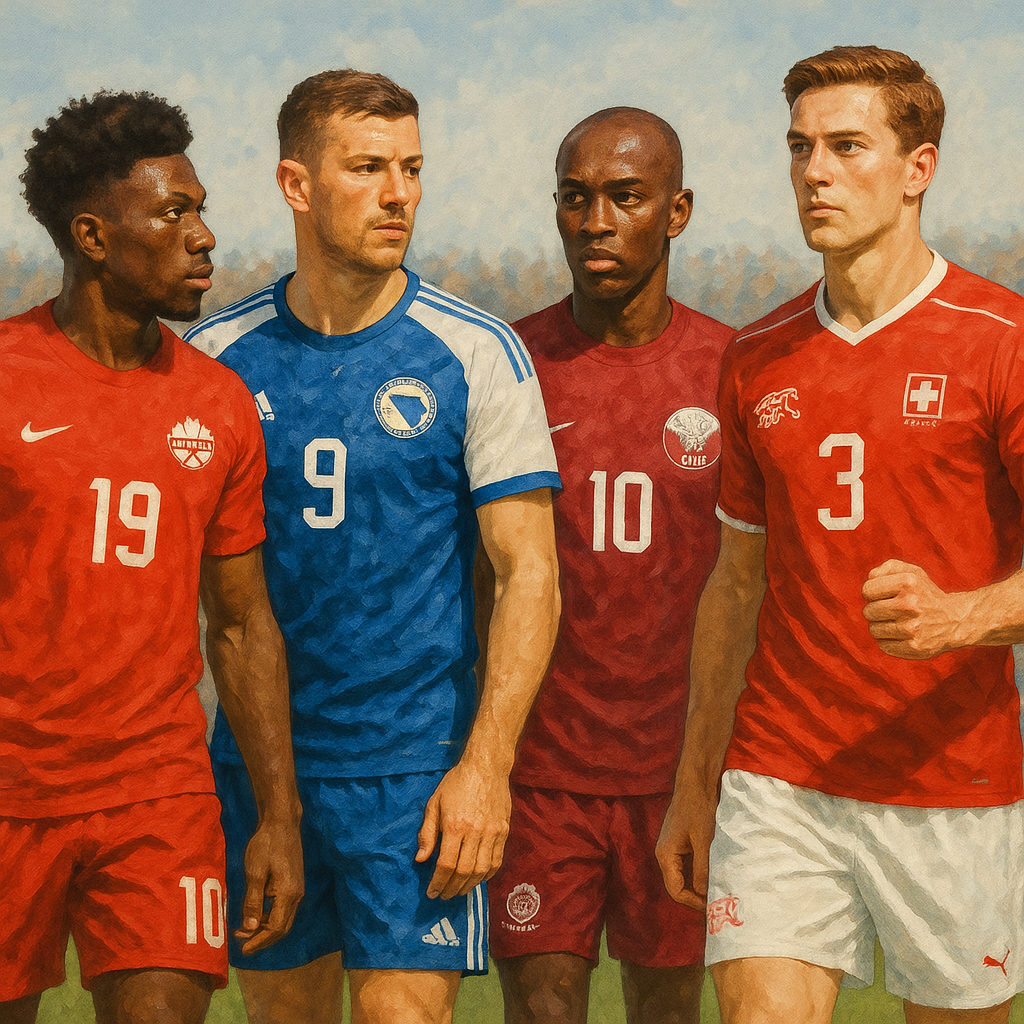
Group B at this World Cup looms as a curious cocktail of contradictions, potential, and quiet menace. Canada, Bosnia-Herzegovina, Qatar, and Switzerland bring drastically different stories, strengths, and expectations to the pitch—and understanding their dynamics is key to unlocking this group’s real competitive picture.
Switzerland arrives as the obvious favorite on paper, the seasoned technician packed with experience and a well-oiled system that has sprawled across multiple tournaments with consistent results. They’re the Swiss watch of the group—precise, disciplined, and frustratingly efficient. Their ability to soak pressure, grind results out, and execute under stress sets them out as the team others must chase.
Canada, meanwhile, carries the weight of a nation’s footballing dreams that have only grown louder since that heart-stopping show at the last World Cup. With young, hungry talent breaking through across top European leagues, the Maple Leafs aren’t here just for the photo op. The magic of Alphonso Davies, the grit of Jonathan Osorio, and the emerging creativity of Cyle Larin means Canada is no longer the underdog to be casually dismissed. Their motor runs on pride, pressure, and that raw ambition that lights up stadiums back home. Yet questions remain about experience and tactical consistency at this level.
Bosnia-Herzegovina offers a wild card element—raw, passionate, occasionally brilliant but plagued by instability and inconsistency. They can stun with individual flashes of brilliance from veterans like Edin Džeko, but their lack of cohesion and recent injuries put their ability to sustain momentum under a microscope. Bosnia’s fight is as much about soul as it is about skill.
Qatar, the tournament hosts with an ironic twist of fate, enter as the clear outsiders. Their development project has accelerated impressively, but the gulf in quality and experience at this stage is tough to deny. Expect them to be physical, organized, and willing to absorb pain—but unlikely to be genuine contenders without a few fortunate breaks.
In sum, Switzerland commands respect and favorite status; Canada brings ambition and hunger, making them the main challengers hungry for a breakthrough; Bosnia oscillates between threat and uncertainty; and Qatar, full of heart, are fighting to prove they belong on the world stage. Group B is a messy, combustible arena where every point will weigh heavy—because for Canada, more than anyone, this is far beyond football: it’s identity, pressure, and the hope of a nation riding every kick.